Body-worn cameras help law enforcement agencies and security teams capture incident footage that can be used as post-event evidence or provide valuable visibility during high-risk situations.
But to maximize their value, this mobile, officer-driven video source must integrate with the systems agencies and organizations already use to monitor incidents, manage investigations and handle evidence.
In this article, you'll learn how body-worn cameras connect to XProtect, which camera models are supported and how organizations use body-worn footage to improve investigations, situational awareness and evidence management workflows.
Body-worn cameras support a variety of operational and investigative workflows. While many teams primarily use body-worn footage for investigations and evidence collection, these devices can also improve situational awareness during active incidents and provide greater visibility into field operations.
Supporting investigations and evidence management
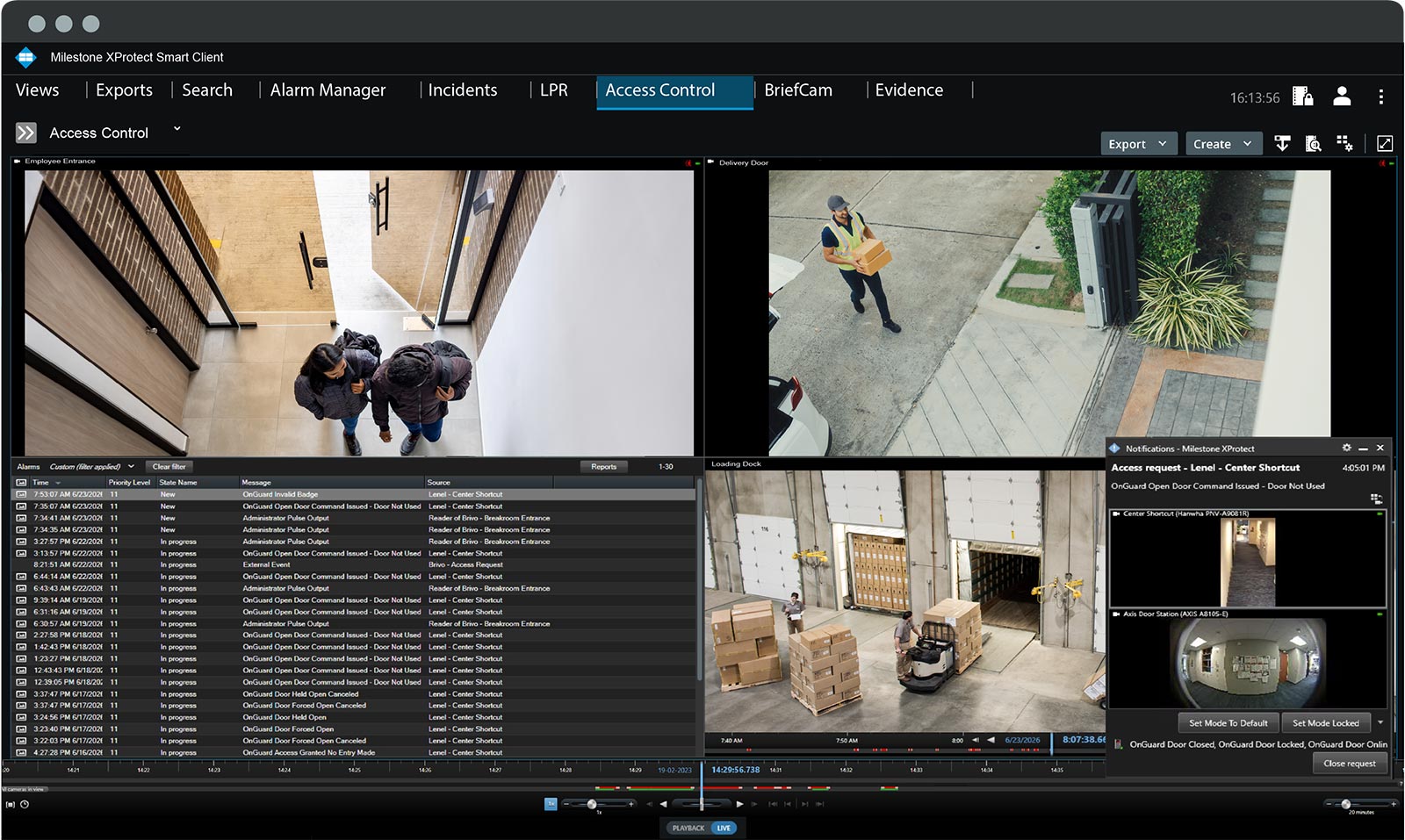
After an incident has occurred, investigators can review body-worn footage alongside video from fixed cameras to better understand what happened before, during and after an event. Because recordings, metadata and other relevant information are available within the same environment, investigators can more easily locate footage, review evidence and, in the case of law enforcement, prepare footage for court proceedings.

Once body-worn footage has been imported into XProtect, operators can quickly search for recordings, review incidents, redact sensitive information and export evidence for further investigation or legal review.
For organizations using XProtect Evidence Manager, relevant recordings can also be securely transferred into a digital evidence management workflow. Associated metadata, including information such as timestamps, GPS coordinates and user identity, can be preserved alongside the video to support investigations, legal review and chain of custody requirements.
Supporting real-time incident response
Some body-worn camera solutions support live streaming, allowing organizations to bring an officer's perspective into existing monitoring and response workflows.
Rather than relying solely on radio communications, supervisors can view the incident from the officer's perspective and provide guidance based on what they see in real time.
Organizations can also configure rules and alarms that notify operators when a body-worn camera begins streaming. This helps ensure that the appropriate personnel are aware of the situation and can quickly access the live feed when needed.
Improving visibility into field operations
In addition to capturing video evidence, body-worn camera solutions can help organizations gain greater visibility into field operations.
Many modern body-worn cameras include location capabilities that allow command staff and dispatch personnel to understand where officers are positioned during active incidents. When combined with video, this information can provide additional context that supports coordination and decision-making in the field. This can be particularly valuable during large-scale incidents, coordinated response efforts or situations where personnel are operating across a wide geographic area.
Whether the goal is supporting investigations, enabling real-time response or improving visibility into field operations, body-worn footage must first be brought into the VMS. Depending on the manufacturer and operational requirements, organizations can accomplish this through several different methods.
Docking station workflows
One common approach uses docking stations to automatically transfer footage into XProtect.
For example, Axis body-worn cameras, such as the W102, record video, audio and metadata throughout an officer's shift. In addition to capturing footage, the camera can also record location information and supports live streaming when operational requirements call for real-time visibility.
When the shift ends, the camera is placed in a docking station, which uploads the recorded content into the organization's body-worn camera management system.
Once configured, recordings, metadata and other body-worn content can be made available within the VMS for investigation and evidence management workflows. This approach allows organizations to centralize body-worn footage alongside video from fixed cameras, making it easier to review incidents, support investigations and manage evidence from a single system.
This video from Axis shows how you can set up their body worn integration in XProtect.
Network-connected workflows
Not all body-worn camera deployments rely on docking stations to transfer footage. Some devices can connect directly to the network using Wi-Fi or cellular connectivity.
For example, the IONODES PERCEPT Body Camera can stream live video directly into XProtect over LTE or Wi-Fi, allowing command staff and dispatch personnel to monitor incidents from an officer's perspective in real time. When the camera reconnects to the network or is docked, higher-quality recordings can also be uploaded and associated with the same camera stream within the VMS.
This approach helps simplify the operator experience while providing access to both live and recorded footage through a unified workflow.
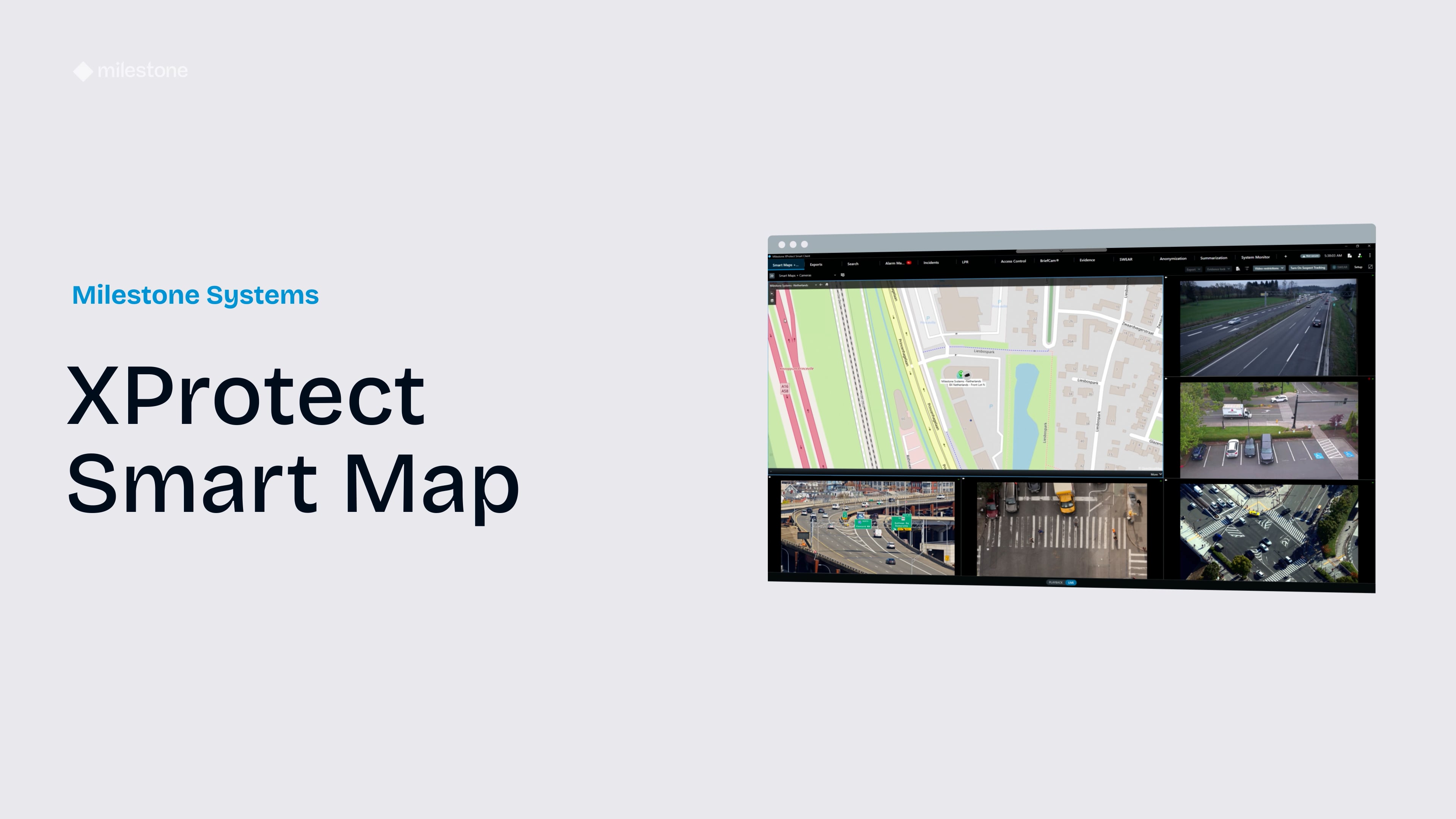
In this video, you can see how live body camera footage looks when it appears alongside footage from fixed cameras (top right) and Smart Map. IONODES appears in the center right tile, and Axis is displayed in the bottom right.
Like other forms of video evidence, body-worn footage must be managed according to organizational policies, legal requirements and evidentiary standards.
How long is body-worn footage stored?
Retention periods vary by agency and the type of incident being recorded.
General recordings are often retained for 30 to 60 days, depending on departmental policy. When footage becomes evidence, it is typically preserved for the duration of an investigation and any resulting legal proceedings.
Some agencies retain complaint-related footage for several years. In cases involving serious crimes such as homicides, recordings may be preserved indefinitely.
Protecting privacy through redaction
Body-worn cameras often capture victims, witnesses, juveniles and members of the public who are not directly involved in an incident.
To help protect privacy, organizations commonly use video redaction software to obscure faces, license plates and other identifying details before footage is shared publicly or introduced into legal proceedings.
Maintaining accountability
Body-worn cameras are intended to promote transparency and accountability, which extends beyond the footage itself.
If a camera malfunctions or is turned off before an incident, agencies typically require officers to document and explain why footage is unavailable. These procedures help maintain confidence in the integrity of body-worn video evidence and ensure that missing recordings can be properly reviewed and understood.
From post-incident investigations to real-time response, body-worn cameras are an integral part of modern law enforcement and securityoperations. Integrating body-worn footage into XProtect helps organizations centralize video operations, streamline investigations and support evidence management workflows.
Contact us to learn more about body-worn camera integrations and how XProtect can support your operational requirements.